Post #1: A clear project vision
In a series of posts I (Javier) will write about my experience with different Hydroelectric Projects, in Venezuela and in Canada, from the point of view of a Project Manager, a Maintenance Engineer, and a Plant Manager, different roles that I have been held for the past 16 years. I think that this experience can be transferred to other fields on the renewable energy industry, like solar, wind, tidal and geothermal.
The idea of these posts is to start conversations and debates around the topic.
What do you want to accomplish with your project?
This is in fact the most important question that requires the most important and honest answer. A hydroelectric project can serve many objectives, apart of the obvious one which is generate renewable energy. In fact, sometimes the energy generation is a “sub-product” of a different main objective. One thing though: mother nature puts the rules, always.
- Flood control: You may want to have a dam to control the behavior of a river, and have the added value of generating energy. In that case, the design priority is not the maximum energy output of the water being accumulated in the pond, but the control itself of that water.
- Grid voltage support on remote locations: Generally, small units are strategically located to help to maintain the voltage in rural areas. In those cases, you need to be able to keep your units running 24/7, so maybe you need to reduce the water inflow (and in consequence the power output) to keep your water source at a healthy level. Several of the small hydro plants in Nova Scotia follow this philosophy.
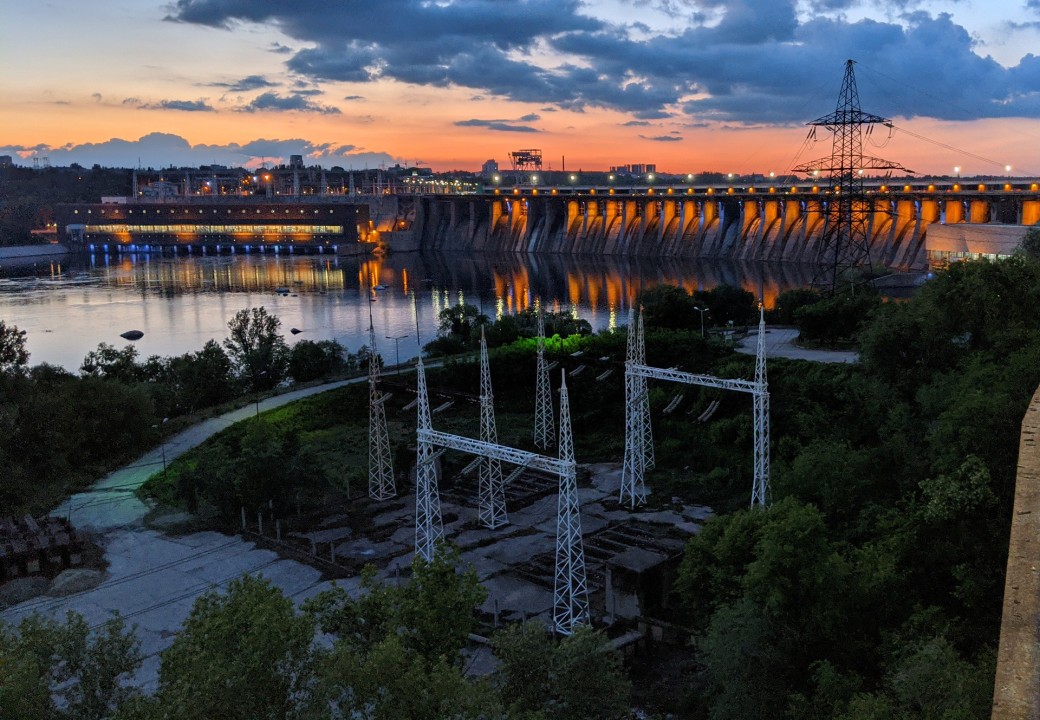
- Feed an energy intensive industrial development: Like a steel mill, the aluminum production industry, or a pulp mill. An interesting example is the Caroni river in Venezuela, where the first hydro plant development, Macagua 1, was designed to feed the operations and expansion of the steel and aluminum industry in the south of the country.
- Peak loads: A project can be designed to supply renewable, cheap and reliable energy on specific times of the day, where the peak loads occur. This has consequences in the mechanical and electrical design of the plant equipment, as well on the way that the water is managed. I do the analogy between two motorsport events: Formula One and Le Mans 24 hrs. Pump Storage plants generally follow this philosophy.
- Energy source substitution: Your objective may be to remove fossil fuels from your grid. In that case, it is important to be realistic in terms of the power output of your plant. Sometimes a full substitution is not possible, so keep that in mind and be clear to the people that will approve the project about its limitations.
- A technological experiment: Maybe you want to partner with an OEM to develop a plant to test new technology. If that is the case, it is important to be clear to the grid operator that the energy output will not be reliable, because the main objective is to experiment with technology, not necessarily reliability.
- Energy export: Maybe you are not looking to serve your local market, but to export excess of hydroelectric capacity. In this case, generally the plants are designed to run 24/7 to get the maximum financial benefit of it, and water management is critical priority.
In all the cases, it is important to be clear on the goal, because it will be the main driver of the design of your plant, from the dam itself, to all the equipment associated, and as well will be important to understand how you will operate the facility, and the human factor associated to it.
Feasibility: environmental, technical, economical
- Environmental feasibility: The most important. Determine with enough in-depth studies what will be the environmental impact of your project in the river, the pond and its surroundings, in all aspects. We are not talking about just following the environmental regulations of the project location, but to really measure what will be the impact of the project during construction, commissioning, and during the years of operations. Having the right measures in place to mitigate or eliminate negative impacts are primordial and should be given priority attention and priority funds.
- Community impact: In not a few cases, a community lives close to a hydro site. The project team needs to consider the impact on their lives and economy during the early stages of conceptualization. In mega-projects (Venezuela’s Caroni development for example) some small towns were fully demobilized due to the flood of the pond. Resources need to be assigned with high priority to assess the impacts in the surrounding communities, not only during the construction stages, but as well through the entire life cycle of the project.
- Economics of the project: The entire economic study of a hydro project is an exercise that involves specialized resources and a dedicated team. The obvious critical part of the economics’ studies is the risk analysis and the risk management plan. The economic studies need to include a supply chain analysis for the operations phase as well, something that sometimes is overlooked.
- Technical feasibility: This is probably the easiest part of all — the basic engineering and detailed engineering are well-known processes and the technology available for the hydro industry is very well backed up internationally. What I want to make emphasis on is that it is important to plan for the future, and be clear how many years you expect to have from your facility without major changes, upgrades or overhauls.
How do you plan to operate?
This is probably a question that is sometimes overlooked. Project teams are extremely focused and biased on delivering the project, but don’t think too much about how it will operate. Establishing how it will operate since the beginning of the conceptualization is crucial, because it will direct several decisions on equipment and facility design in general.
- Fully local operations: In this case, the facility will operate with an operations and maintenance team on site 24/7. This is common in large plants, which require attention and constant inspection of the equipment. The human factor needs to be accounted for, and the safety and security of the personnel must be the priority. In several cases, a small town needs to be founded to address this and be able to recruit and maintain enough qualified personnel for your site.
- Local operations and seasonal maintenance: This involves maintaining a small team for operations and an on-call / seasonal maintenance team. This can be achieved in locations where a community is close enough to offer accommodations to the personnel. Contracts for specialized maintenance need to be in place, and preferably negotiated even before the commissioning of the equipment.
- Fully remote operations: In this case the operations are conducted from a remote location, a control center located in a different geographic area. It is common on very remote facilities. In this case, expect to spend heavily on capital to account for backup over backup over backup of different systems, as well in state-of-the-art on-site diagnostics and data acquisition for all the systems and subsystems of your entire site. This is the most expensive approach in terms of capital, but the cheapest in terms of labor cost.
Final thoughts on Post #1
These are just a few thoughts based on my years of experience in the industry, especially with hydro plants. In my opinion, the most important stage of these kind of projects is the planning stage. My two cents: don’t be afraid of spending money and time on planning — I’ll save you a lot of time and money during the execution, and especially a ton of headaches.
I let the discussion open, and please suggest more topics to talk about.